Help for Muscle Tension and
Muscle Spasms in Virginia Beach
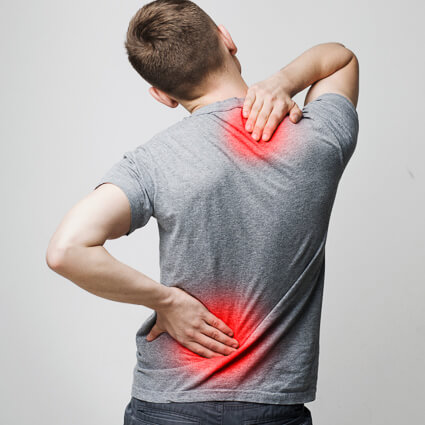 Muscle tension and muscle spasms are incredibly common and often start subtly. What may feel like a tight or achy knot can quickly progress into sharp pain, restricted movement, or the sensation that a muscle has completely locked up. While these issues can occur anywhere in the body, they most often affect the neck, shoulders, upper back, and lower back.
Understanding why muscle tension and spasms develop and addressing them early can make a significant difference in comfort, mobility, and long-term function.
What’s the Difference Between Muscle Tension and Muscle Spasms?
Muscle tension typically refers to a constant feeling of tightness or stiffness. The muscle remains partially contracted, limiting blood flow and reducing flexibility. Over time, this can lead to soreness, fatigue, and reduced range of motion.
A muscle spasm is a sudden and often painful involuntary contraction. Spasms may feel sharp, intense, and restrictive, sometimes making it difficult to move at all. Many people describe it as a muscle that has grabbed or locked up.
Tension often comes first. If left unaddressed, it can progress into a spasm.
Common Causes of Muscle Tension and Spasms
Muscle tension and spasms rarely come from a single cause. More often, they develop due to a combination of lifestyle habits, physical stress, and reduced movement.
Prolonged sitting, desk work, and device use can significantly decrease blood flow to muscles, especially in the neck, shoulders, hips, and lower back. Over time, muscles become tight, weak, and more prone to locking up. Many people describe the lower back and glute muscles as feeling tense but weak, which is common when circulation is reduced from long periods of sitting.
Sudden increases in activity can also be a trigger. Lifting something heavy, returning to exercise after time off, or tackling an unfamiliar physical task may overload muscles that are not conditioned for the demand.
Pregnancy and postpartum changes commonly contribute to muscle tension. Shifts in posture, changes in center of gravity, and extended feeding or carrying positions place additional strain on the neck, shoulders, and upper back.
What’s Happening Inside the Muscle?
When a muscle remains contracted for long periods, circulation decreases. Reduced blood flow limits oxygen delivery and allows waste products to build up, increasing discomfort and fatigue.
Minerals such as calcium and magnesium play an important role in muscle contraction and relaxation. When that balance is disrupted, muscles may struggle to fully release.
Joint restrictions can further contribute by interfering with normal nerve communication between the brain and muscles. When signals are altered, muscles may stay tight or spasm repeatedly.
What Happens if Muscle Tension or Spasms Are Ignored?
Ignoring muscle tension rarely solves the problem. Instead, the body adapts by changing how it moves to avoid discomfort. These compensations place additional stress on nearby joints and muscles.
Over time, this can lead to recurring flare-ups, reduced mobility, chronic stiffness, and ongoing discomfort that becomes harder to resolve the longer it persists.
How Muscle Tension and Spasms Are Evaluated
Evaluation involves more than locating where it hurts. Posture, joint mobility, movement patterns, and muscle function are all considered.
This may include observing how you move, checking range of motion, performing gentle muscle testing, and palpating the tissues to identify areas of restriction, dehydration, or excessive tone. These findings help guide care tailored to your specific needs.
Addressing Muscle Tension and Spasms
Care at our practice may include one or more of the following, based on your exam findings and goals:
- Chiropractic adjustments for the spine and extremities
- Targeted soft tissue techniques to reduce muscle tension
- Class IV laser therapy to help calm irritated tissues
- Dry needling for tight or overactive muscles
- Kinesiology taping to reduce strain during everyday movement
Improving hydration and restoring healthy movement patterns also play an important role. Addressing muscle tension early can help restore mobility, reduce discomfort, and improve long-term muscle health.
Ready to Get Relief?
If muscle tightness or spasms are limiting your movement, affecting your sleep, or repeatedly flaring up, it may be time for a thorough evaluation. Contact Body Logic to schedule an appointment with one of our chiropractors. Find out what may be contributing to your tension so you can get back to moving comfortably again.
